2024
86533_Spatial Agency
-
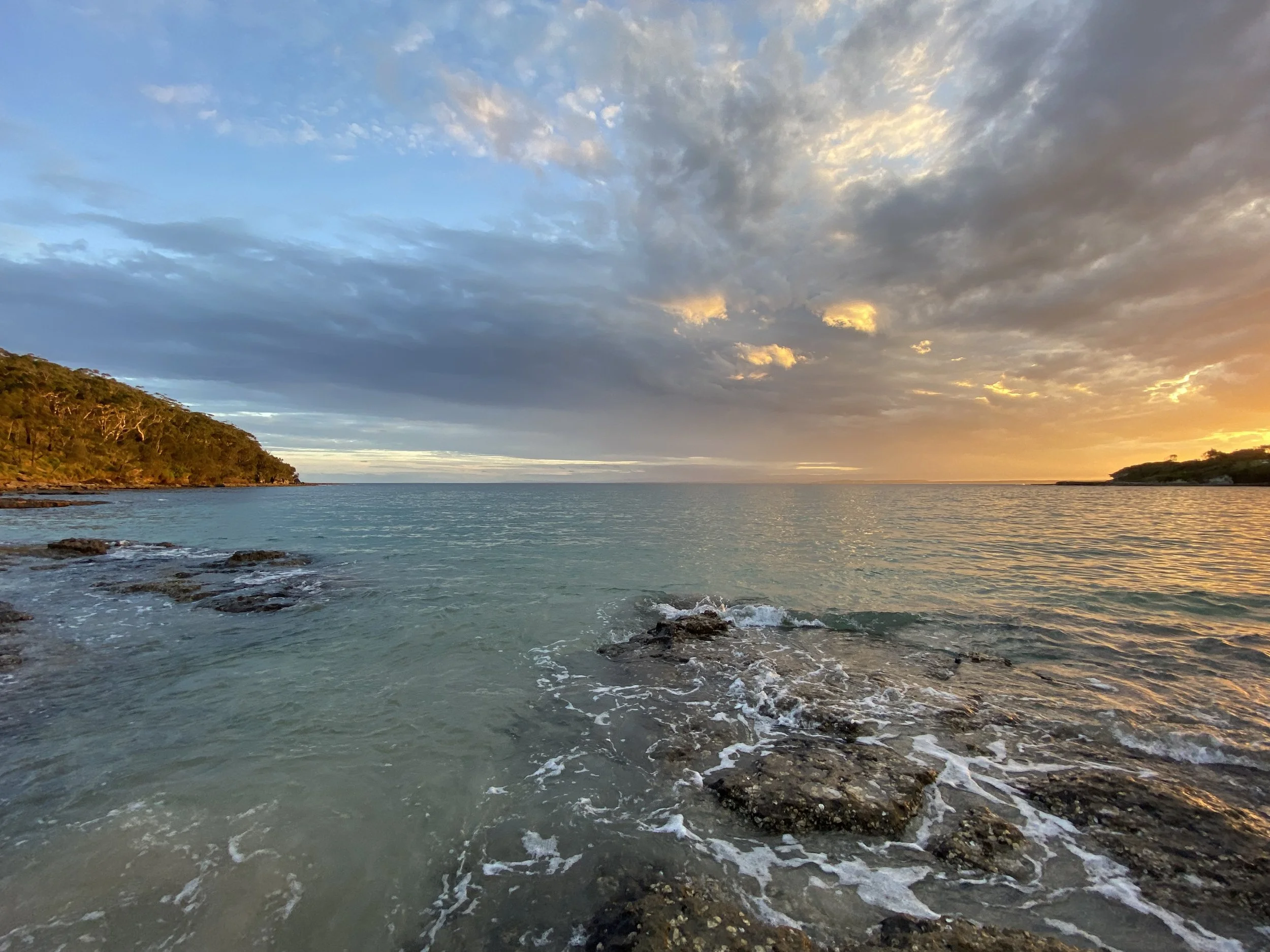
In this design studio, students will map Country as a foundation for proposing a community-centred cultural space within Booderee National Park. The studio explores interior architecture to engage culture, politics, and place – understanding Country not as a neutral site, but as a living system of custodianship, governance, and responsibility. Students will investigate how cultural infrastructure can support self-determination through design, with a focus on the relationships between community authority, visitor experience, environmental stewardship, and economic opportunity.
Students will undertake layered mapping and diagramming of the Booderee National Park, developing a critical understanding of colonisation, dispossession, and the ongoing impacts of western planning systems on Country. This work will be paired with precedent studies of cultural centres and museums, analysed through spatial sequence, thresholds, protocols, and program. Students will then develop spatial frameworks at macro scale that consider visitor movement, interpretive opportunities, access and infrastructure, ecological constraints and culturally appropriate boundaries between public, community-only and restricted spaces.
This research will inform the development of a schematic design proposal for a cultural centre and associated facilities, which may include museum and community spaces, training and employment spaces and visitor amenities. Students will propose designs that strengthen cultural continuity and storytelling while supporting community benefit, revenue generation, and local employment pathways. The final projects will be environmentally and culturally responsive, addressing seasonal change, climate, wind, material selection, and landscape integration, demonstrating how interior architecture can operate as a form of spatial agency that supports custodianship of Country.
-
Studio description: Australia’s dual crises of domestic and family violence and housing unaffordability mean that crisis services turn away 1 in 2 women every night. Many of these women have children in their care.
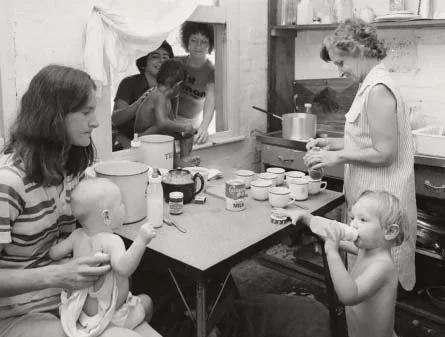
The Blacktown Women’s Refuge studio combines the challenge of designing crisis accommodation for women and children escaping domestic and family violence, on-site support services workspaces, therapeutic, and communal gathering areas. In partnership with Women’s Community Shelters, a leading organisation that provides accommodation and support for women and children through a network of nine safe havens across NSW metro centres.
Blacktown, on the lands of the Dharug people, 34km west of Sydney is one of Greater Sydney’s most multicultural areas, managed by a progressive council and host to a thriving arts and sporting community. Blacktown also consistently records one of the highest volumes of domestic violence related assaults in NSW, with over 2,100 incidents reported in recent annual data (BOCSAR 2023).
The Blacktown Women’s Refuge Studio takes a trauma-informed design approach to design practice, and includes visits to the Blacktown site, meeting with Women’s Community Shelters experts.
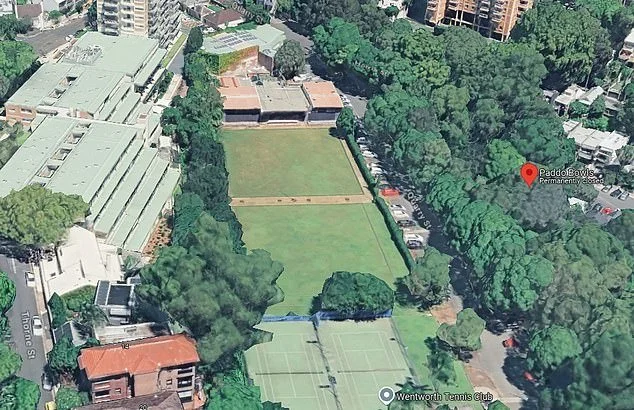
Studio brief: The proposed design will develop a core and cluster model refuge with 8 to 10 self-contained crisis accommodation units (cluster), and a domestic and violence support service (core). The existing community centre provides adaptive reuse opportunities for the core, adjacent a parkland with potential landscaped connections between living, working, and social spaces. The units will be located on the adjacent tennis court. Design solutions will focus on trauma-informed design strategies for children on the site.
-
TBA
-
TBA
-
TBA
-
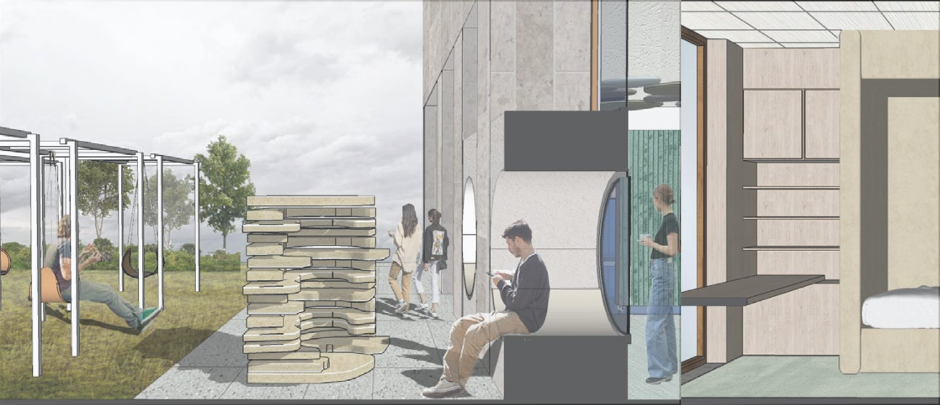
The Centre for Neurodiversity design studio will explore an inclusive approach to architecture that is primarily informed by the nuanced ways in which neurodiverse people inhabit and interact with space.
Situated in the Cliff Noble Community Centre, corner of Renwick St and Suttor St, Alexandria, students are asked to develop a proposal for the refit of the Community Centre that supports the core needs of neurodiverse people and their range experiences.
Investigating the adaptive and transformative potential of public institutional interiors to become more inclusive and accessible, The Centre for Neurodiversity will take a community development approach to design practice enacted through a series of quick charrette-style design exercises, and consultation with neurodiverse people, to develop and establish a set of design principles.
Underpinned by a commitment to participatory design methods, The Centre for Neurodiversity investigates a range of design processes and techniques, in combination with theoretical explorations informed by the principles students establish in the discovery and concept phase of the project.
-
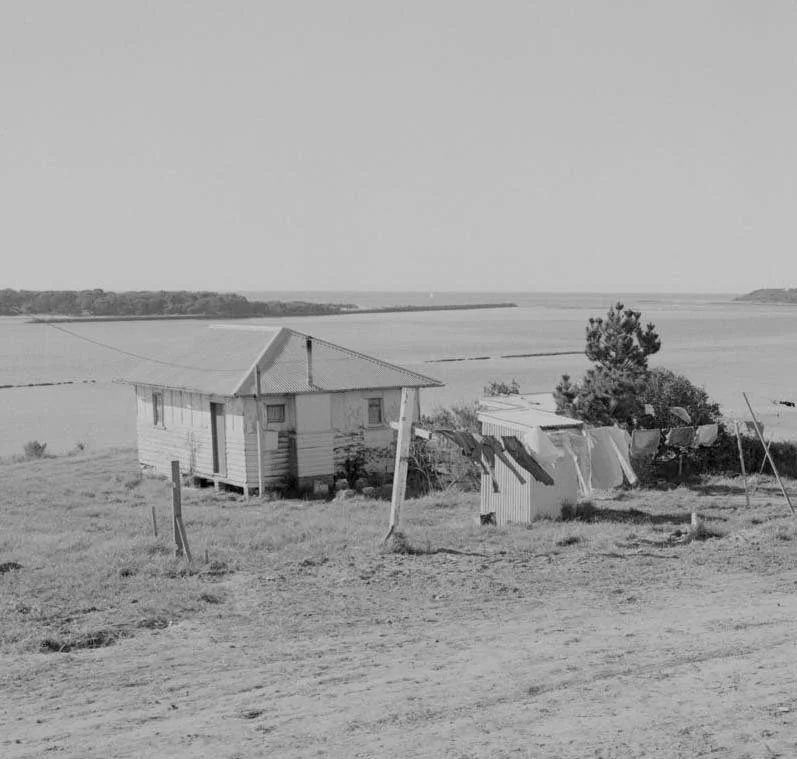
Studio Jerringa is a design studio focused on the development of community infrastructure with the Jerrinja Aboriginal Community at Orient Point. The Jerrinja Aboriginal people are from the NSW South Coast and their traditional lands include Cullunghutti, Shoalhaven Heads, Greenwell Point, Orient Point, Culburra and Currarong. The Jerrinja Aboriginal Community was established in 1900 as an Aboriginal Mission known as Roseby Park. Renamed Jerringa in the late 1960’s the Mission land was given back to the Jerrinja community in 1983.
Of the original Roseby Park Mission houses built in the 1950’s, only one cottage remains today. Sitting vacant, Jerringa residents have expressed interest in repurposing this former home as a community facility. Studio Jerringa takes a community development approach to design practice enacted through a five-day study tour to Orient Point in Week 7, to work with the community to establish their programmatic requirements and aspirations for the new facility.
Engaging with Indigenous sensibilities to land and Country, students will develop speculative design proposals that respond to social, cultural and environmental requirements to develop a new multipurpose community facility that builds on Jerringa cultural strengths.